How to Build a Strong Home–School Connection
- Rwiddhi das
- Jun 12, 2025
- 5 min read

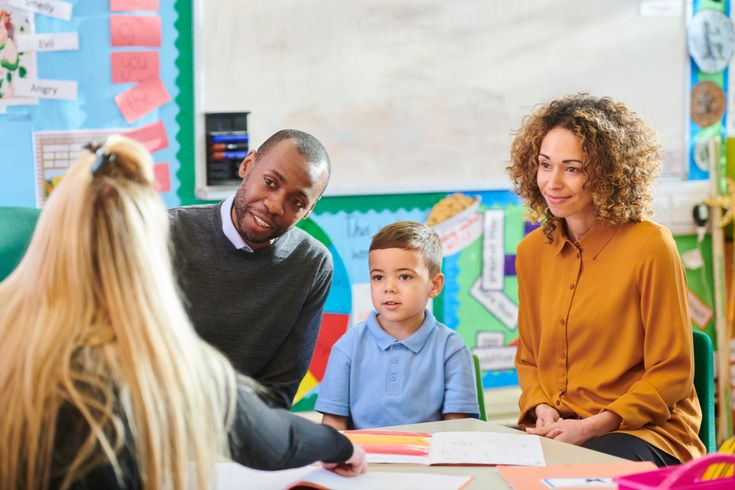
A strong home-school connection is one of the most powerful contributors to student success. When families and schools work hand in hand, students not only perform better academically but also develop stronger social and emotional skills. Building this bridge of collaboration is not about grand gestures - it’s about consistent, intentional actions that foster trust and mutual respect.
In the fast-evolving world of education, one truth remains timeless: students flourish when families and schools work hand-in-hand. The partnership between parents and educators plays a crucial role in shaping not only a child’s academic journey but also their emotional, social, and personal growth.
While curriculum, technology, and teaching methods are vital, they cannot replace the impact of a supportive home-school connection. And the good news? Building this bridge doesn’t require grand programs or massive resources - it requires consistent, intentional actions rooted in trust and mutual respect.
Here are five impactful ways to create and sustain a meaningful home–school connection:
1. Open, Ongoing Communication
Effective communication forms the backbone of any strong relationship and that includes the one between home and school. It’s important for schools to keep families regularly informed not just about student performance, but also about classroom activities, school goals, and important decisions.
Communication should be two-way. Parents must feel heard just as much as teachers should feel supported. Whether it’s through emails, mobile apps, parent-teacher meetings, or a simple phone call, ensure communication is clear, friendly, and regular - not just when something goes wrong.
We can ensure the ongoing communication with these steps:
Regular Updates: Share not only academic progress but also classroom activities, upcoming events, school goals, and policy changes.
Multiple Channels: Utilize emails, mobile apps, newsletters, social media, parent portals, or even traditional phone calls to stay connected.
Two-Way Conversations: Encourage parents to share their concerns, insights, and feedback. When parents feel heard, they’re more likely to stay engaged and supportive.
When communication flows freely both ways, a culture of transparency and partnership flourishes, ensuring parents feel like valued stakeholders in their child’s education.
2. Empower Parents as Partners
Parents are not just observers in their child's educational journey -they are partners. Schools should actively invite families to contribute ideas, participate in school committees, volunteer in classrooms, or co-create learning goals.
Workshops, orientation programs, and skill-building sessions can help parents understand how to support learning at home. When parents are equipped with tools and information, they feel more confident, respected, and invested in their child’s growth.
Schools must create avenues where families feel welcomed, involved, and empowered to contribute meaningfully.
Participation Opportunities: Invite parents to join school committees, volunteer for classroom activities, or help organize events.
Workshops & Orientation Programs: Offer sessions that help parents understand school curricula, modern teaching methods, and strategies to support learning at home.
Shared Learning Goals: Involve parents in setting realistic academic and personal growth targets for their children.
When parents are equipped with knowledge and tools, they become confident collaborators, better able to support their child's learning both inside and outside the classroom.
3. Timely Alerts & Feedback Loops
Waiting for the end of the term to update parents on academic performance or behavior concerns is too late. Real-time alerts -whether academic, behavioral, or attendance-related help keep families in the loop and allow for immediate action.
Feedback shouldn’t only come from teachers. Encouraging parents to share their observations at home - such as learning challenges, interests, or emotional changes creates a feedback loop that benefits the student in both settings.
Timely, ongoing feedback allows both school and home to address challenges proactively.
Real-Time Notifications: Share updates on attendance, academic performance, behavioral concerns, or classroom participation regularly.
Parent Observations: Encourage parents to provide insights from home — changes in behavior, learning struggles, or newfound interests that may influence classroom performance.
Collaborative Solutions: Use this two-way feedback to create personalized support plans that address the unique needs of each student.
This continuous feedback loop ensures that problems are identified early, solutions are jointly developed, and student success remains at the center.
4. Celebrate Small Wins Together
Academic milestones and exam results are important, but so are the little victories -like a shy student participating in class or someone showing kindness to a peer. Celebrating these small wins with families fosters positivity and reminds them that progress comes in many forms.
Sharing photos, quick notes, or even a class newsletter with highlights can go a long way in creating pride and motivation, both for the student and their family.
While major achievements like exam scores and academic awards are important, the smaller victories along the way deserve equal celebration.
Recognize Everyday Successes: A child overcoming shyness, showing kindness, or making steady improvement in a subject are all wins worth acknowledging.
Share with Families: Send home positive notes, quick messages, photos, or class newsletters highlighting student accomplishments.
Build Positive Reinforcement: Celebrating these moments builds confidence, motivates students, and strengthens the emotional bond between home and school.
Such positive reinforcement reassures families that their child’s unique progress is seen, valued, and nurtured.
5. Community Building Through Events
Events like parent–teacher meetings, open houses, cultural days, reading sessions, or even virtual coffee chats help transform schools from formal institutions into welcoming communities.
These events create shared experiences, allowing families to connect not just with staff but with each other. They also serve as opportunities to reinforce the school’s values, build trust, and make families feel they belong.
Beyond academics, schools thrive as strong communities. Creating spaces where families can gather, share, and participate fosters a deeper sense of belonging.
Engage Through Events: Organize parent–teacher meetings, cultural celebrations, reading days, workshops, and virtual coffee chats.
Encourage Connections: Give parents opportunities to connect not just with teachers but with each other, creating a supportive parent network.
Reinforce School Values: Use these gatherings to communicate the school’s mission, celebrate diversity, and build collective trust.
When families feel like an integral part of the school community, they become stronger allies in the educational process.
Conclusion
A strong home-school connection doesn’t happen by accident. It’s built day by day through honest communication, shared responsibilities, timely support, and celebrations of progress. When schools and families come together as a team, the result is a thriving environment where every child has the opportunity to reach their full potential.
Together, we educate better. By keeping communication lines open, empowering parents, offering timely feedback, celebrating progress, and fostering a sense of community, we ensure that every child has the foundation they need to thrive academically, socially, and emotionally.
Let’s commit to building these bridges one conversation, one meeting, and one celebration at a time because when we collaborate, our children succeed.


Comments